.png?imageMogr2/format/webp)
.png?imageMogr2/format/webp)
.png?imageMogr2/format/webp)
.png?imageMogr2/format/webp)
.png?imageMogr2/format/webp)
.png?imageMogr2/format/webp)
.png?imageMogr2/format/webp)
.png?imageMogr2/format/webp)
.png?imageMogr2/format/webp)
.png?imageMogr2/format/webp)
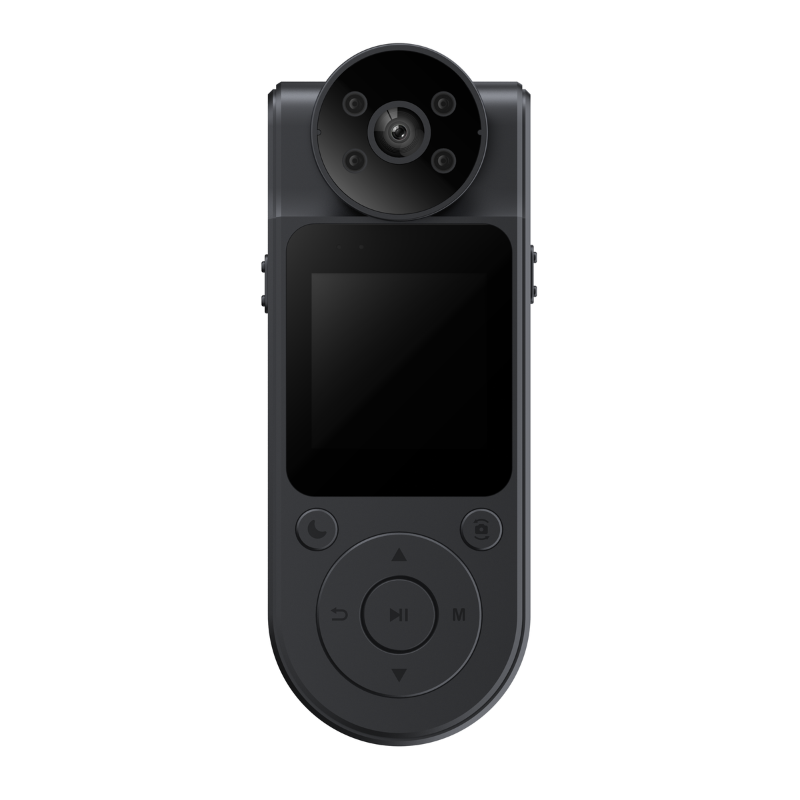
If you create content — for YouTube, social media, or client work — you have probably asked yourself: action camera or vlogging camera? Both shoot video, both fit in a backpack, and both claim to be the ultimate creator tool. But they are built for fundamentally different jobs. This guide breaks down where each format excels, where it falls short, and how to pick the one that matches the way you actually film.
At Yuaoheng Electronics, we manufacture both action cameras and vlogging cameras, so we know exactly where each format shines. Our product catalog includes rugged 4K action cameras, compact flip-screen vlogging cameras, and hybrid models that bridge the gap. Learn more about our company and explore our OEM/ODM services for custom camera programs.
What Is an Action Camera?
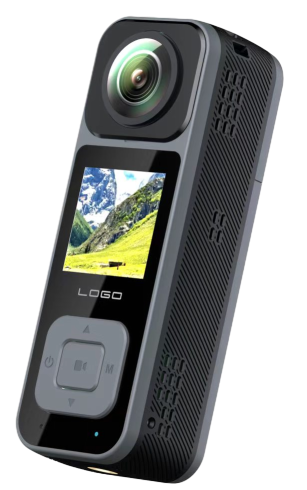
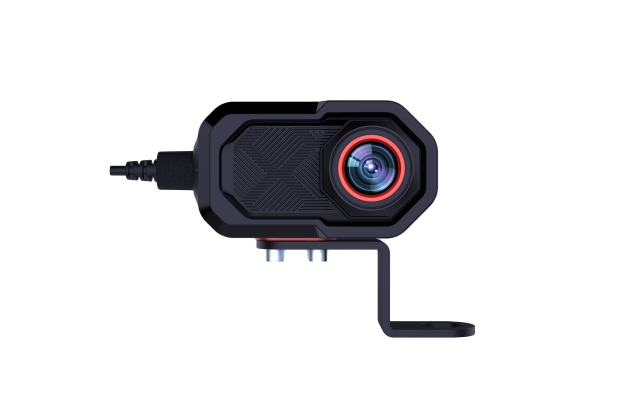
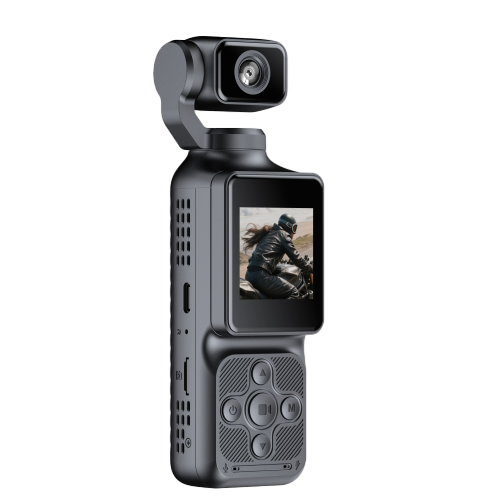
An action camera is a small, rugged, mountable camera designed to record high-quality video in extreme conditions — on helmets at speed, underwater, in dust, and in rain. The defining traits are durability, ultra-wide lenses (typically 170 degrees), electronic image stabilization, and a mounting system that lets the camera ride anywhere from a surfboard to a motorcycle. Action cameras prioritize point-of-view capture: you turn it on, mount it, and go.
Our X7 4K action camera is a flagship example — 4K resolution, 6-axis stabilization, and a waterproof housing rated to 30 meters. The compact Q3 action camera offers a lighter, helmet-friendly build for riders and hikers.
What Is a Vlogging Camera?
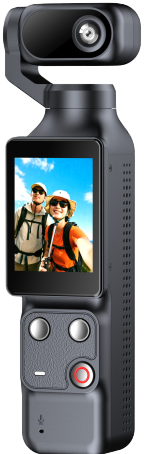
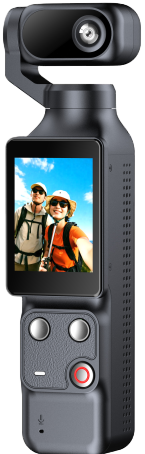
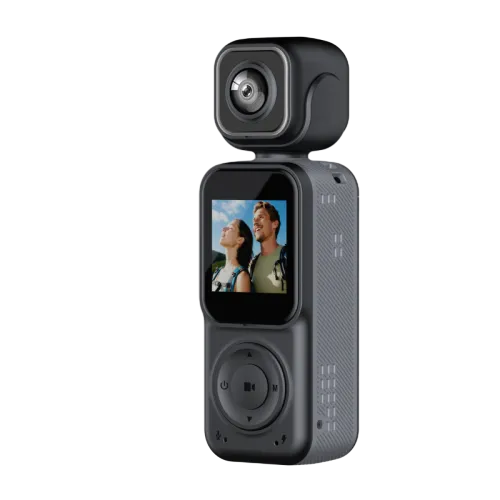
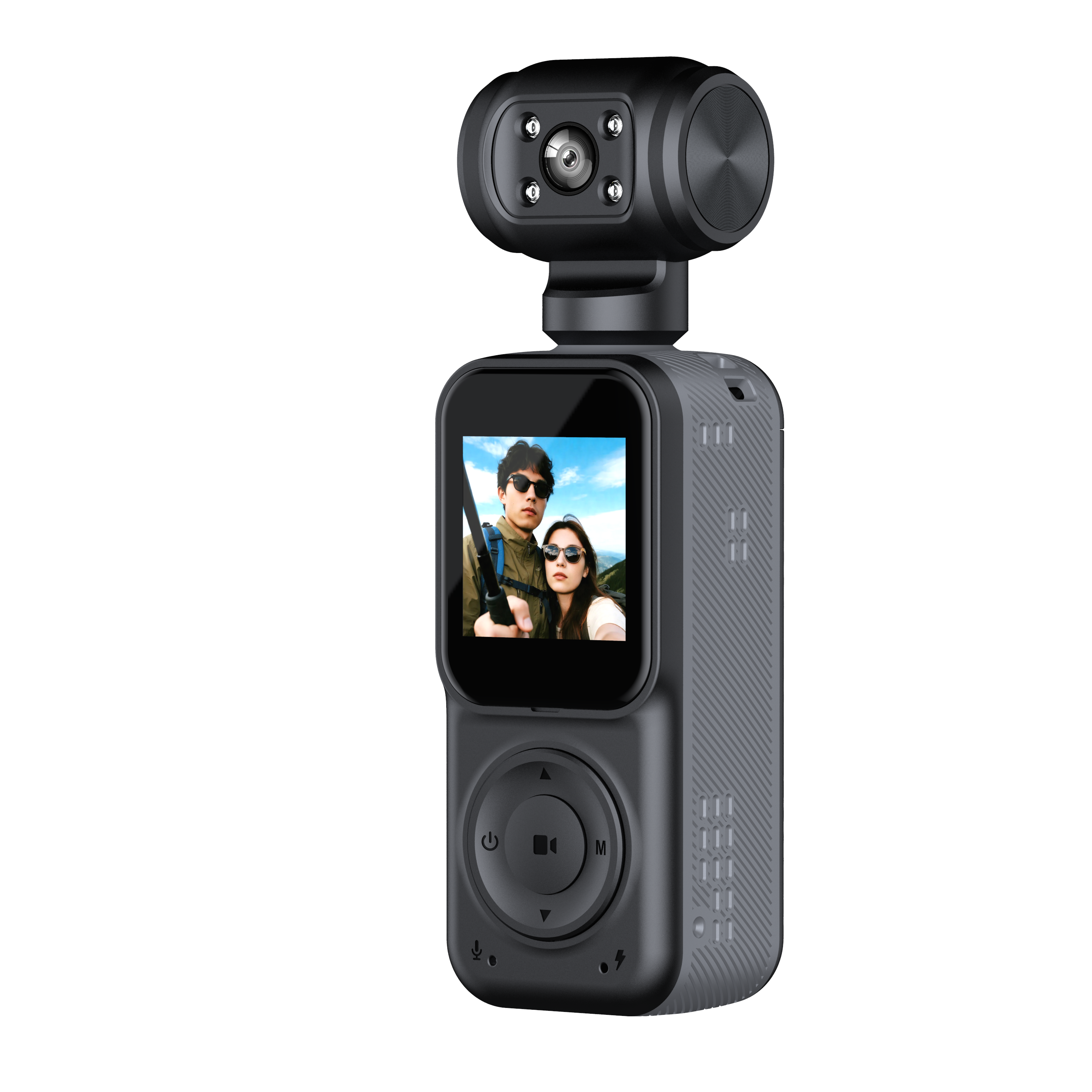
A vlogging camera is built for talking-to-camera work. The defining feature is a flip-out or front-facing screen that lets you frame yourself while recording. Vlogging cameras typically pair a standard or slightly wide lens with a larger sensor for better low-light performance and shallow depth of field — the blurred-background look that makes vlogs feel cinematic. They also include microphones, hot shoes for accessories, and manual controls that let you adjust exposure on the fly.
A good vlogging camera prioritizes audio quality, flip-screen usability, and connectivity for quick file transfer. Our compact vlogging camera line is designed for creators who need a lightweight, socially-ready tool that produces polished, share-ready footage straight out of camera.
Action Camera vs Vlogging Camera: Head-to-Head
The fastest way to understand the difference is a direct specification and usability comparison. The table below covers the eight factors that matter most to content creators.
| Factor | Action Camera | Vlogging Camera |
|---|---|---|
| Primary use | Point-of-view action, sports, underwater | Talking-to-camera, sit-down vlogs, reviews |
| Durability | Rugged, waterproof, shock-resistant | Moderate — needs care and a case |
| Lens angle | 170° ultra-wide (fisheye look) | Standard to mild wide (natural perspective) |
| Screen | Small rear screen, no self-framing | Flip screen for self-framing |
| Audio | Basic built-in mic, wind noise at speed | Better mic, hot shoe for external |
| Low-light | Weak — small sensor, fixed aperture | Stronger — larger sensor, wider aperture |
| Mounting | Helmet, chest, handlebar, suction | Tripod, gimbal, handheld grip |
| Price tier | Affordable to mid-range | Mid-range to premium |
When to Choose an Action Camera
An action camera is the right choice when your content is defined by motion and environment rather than by you talking to the lens. If any of the following describes your work, an action camera is the better tool.
You film sports and outdoor adventure
Surfing, snowboarding, motocross, diving, and mountain biking all demand a camera that survives impact, water, and vibration. A vlogging camera cannot be strapped to a helmet or dropped into a wave. An action camera can.
You need point-of-view footage
First-person perspective — the viewer sees what you see — is the action camera's signature shot. The ultra-wide lens captures the full scene without aiming, which is essential when your hands are on a handlebar or a paddle.
You work in water, dust, or extreme weather
A waterproof housing rated to 30 meters makes an action camera the only practical choice for diving and water sports. No vlogging camera offers that level of environmental protection without a bulky, expensive aftermarket housing.
When to Choose a Vlogging Camera
A vlogging camera is the right choice when your content is built around you — your face, your voice, and your personality. If the following matches your workflow, a vlogging camera will serve you better.
You talk to the camera
Sit-down vlogs, product reviews, tutorials, and commentary all require a flip screen so you can frame yourself while recording. An action camera's rear screen is too small and faces away from you, making self-framing a guessing game.
You need good audio without extra gear
Vlogging cameras include directional microphones and hot shoes for external mics. Action cameras have basic omnidirectional mics that pick up wind and engine noise — fine for ambient sound, poor for spoken content.
You shoot indoors or in low light
A larger sensor and a brighter lens let a vlogging camera produce clean, low-noise footage in living rooms, restaurants, and evening streets. Action cameras struggle in dim conditions because their small sensors and fixed apertures cannot gather enough light.
Can One Camera Do Both?
Many creators want a single camera that handles both vlogging and action. The honest answer is that no single format is excellent at both, but a few approaches get close.
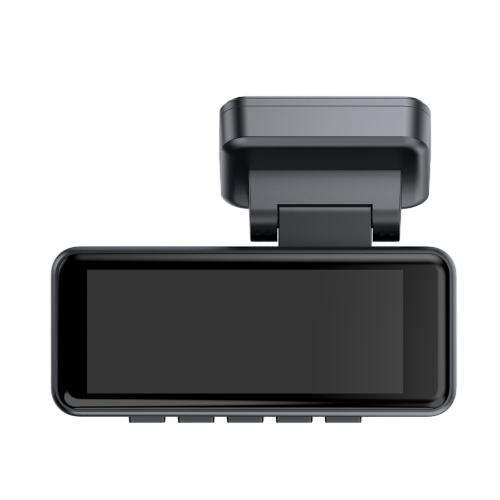
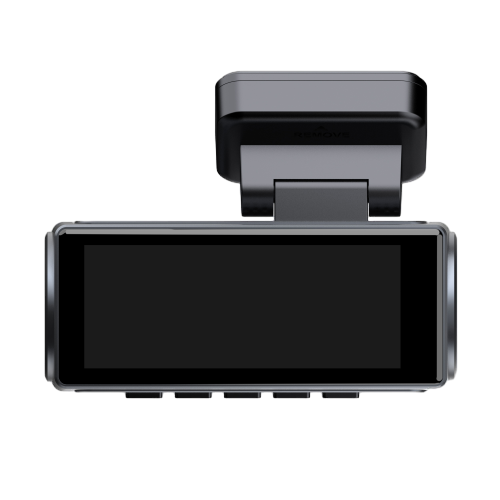
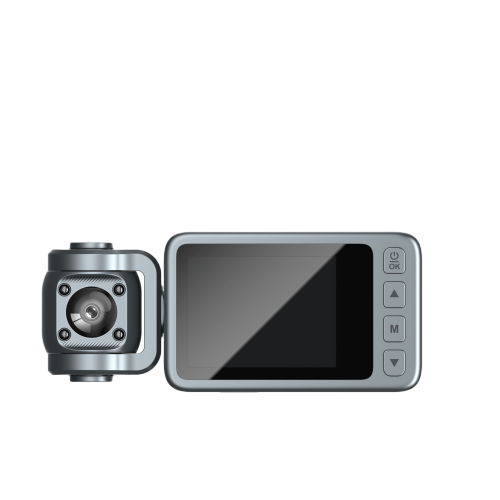
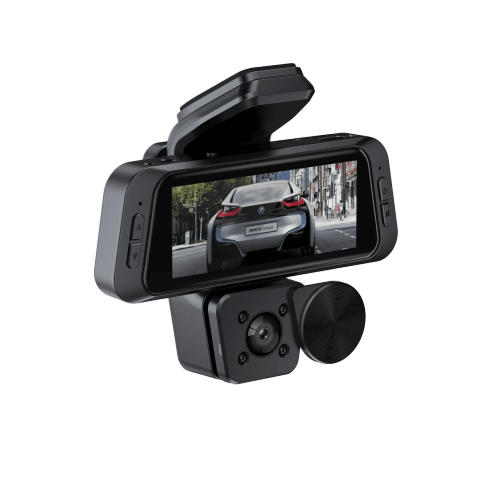
The first option is a dual-lens action camera like our X20, which adds a front-facing lens so you can frame yourself while recording the scene ahead. This is the best of both worlds for adventure vloggers who need ruggedness and self-framing in one body.
The second option is to carry both: a vlogging camera for talking segments and an action camera for the adventure B-roll. Most professional travel and adventure YouTubers use this two-camera workflow because it lets each tool do what it does best. The vlogging camera handles the narrative; the action camera handles the action.
Quick Decision Guide
- Choose an action camera if your footage is mostly motion, POV, or underwater.
- Choose a vlogging camera if your footage is mostly talking, reviews, or indoor content.
- Choose a dual-lens action camera if you need both in one rugged body.
- Carry both if your channel mixes sit-down and adventure content regularly.
Frequently Asked Questions
Is a vlogging camera better for YouTube?
It depends on your format. If your channel is built on talking-to-camera segments, reviews, and tutorials, a vlogging camera is the better choice because of its flip screen, audio quality, and low-light performance. If your channel focuses on sports, travel adventure, and POV footage, an action camera will produce footage a vlogging camera simply cannot capture.
Can I use an action camera for vlogging?
Yes, especially if you choose a dual-lens model with a front-facing lens. The trade-off is audio quality and low-light performance. For outdoor, on-the-go vlogs where durability matters, an action camera works well. For indoor, studio-style vlogs, the image and audio will not match a dedicated vlogging camera.
Which is more expensive?
Vlogging cameras generally sit at a higher price tier because of their larger sensors, flip mechanisms, and manual controls. Action cameras range from budget 1080p models to mid-range 4K flagships. A capable 4K action camera often costs less than a mid-range vlogging camera, making it the more affordable entry point for creators.
Which Camera Fits Your Content?
The right choice comes down to what you film and where you film it. Action cameras win on durability, mounting, and POV capture. Vlogging cameras win on self-framing, audio, and low-light quality. Many creators end up owning both, and our full product range covers both categories. Browse our article library for more buying guides, and check our warranty policy for after-sales support.
Still unsure whether an action camera or a vlogging camera fits your workflow? Our team can compare models, recommend accessories, or walk you through OEM customization for your own brand. Contact us today and let us help you build the right creator toolkit.
.jpg?imageMogr2/format/webp)