.png?imageMogr2/format/webp)
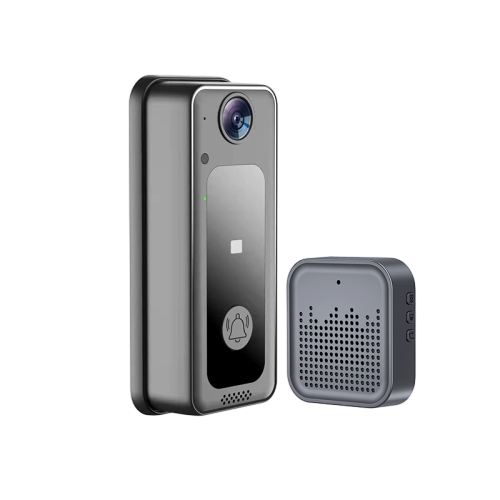
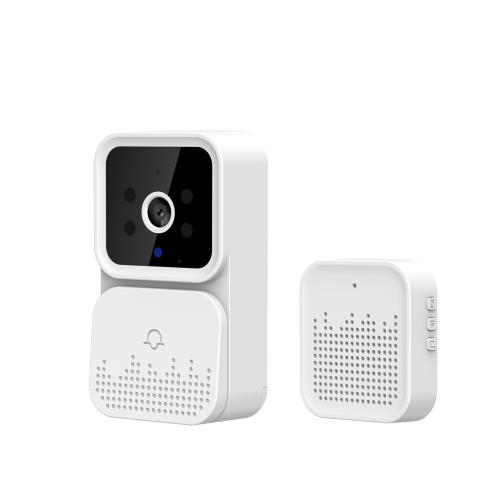
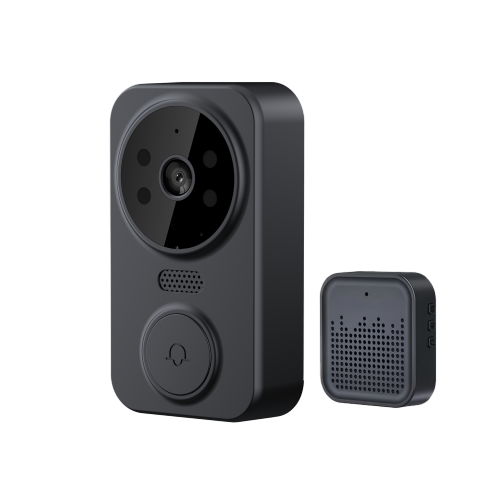


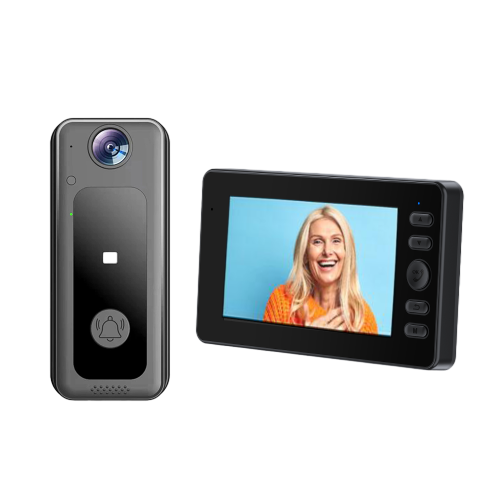
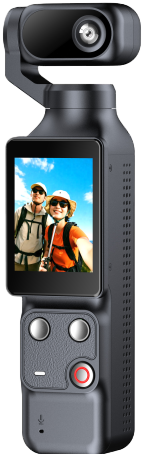

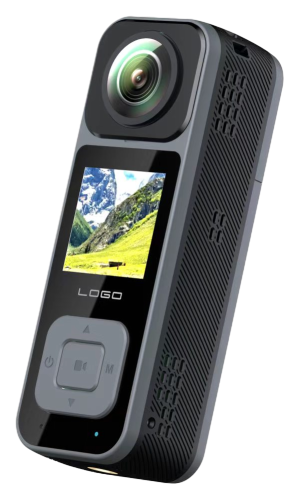
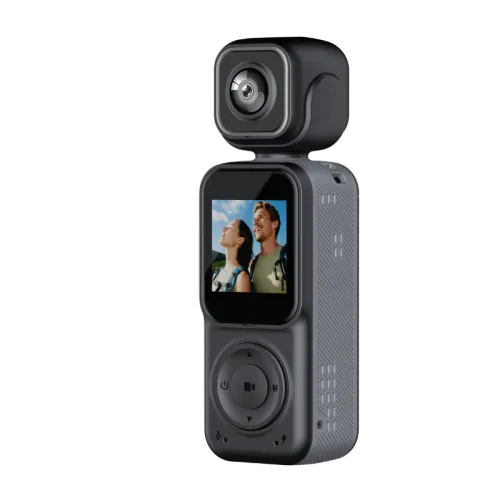
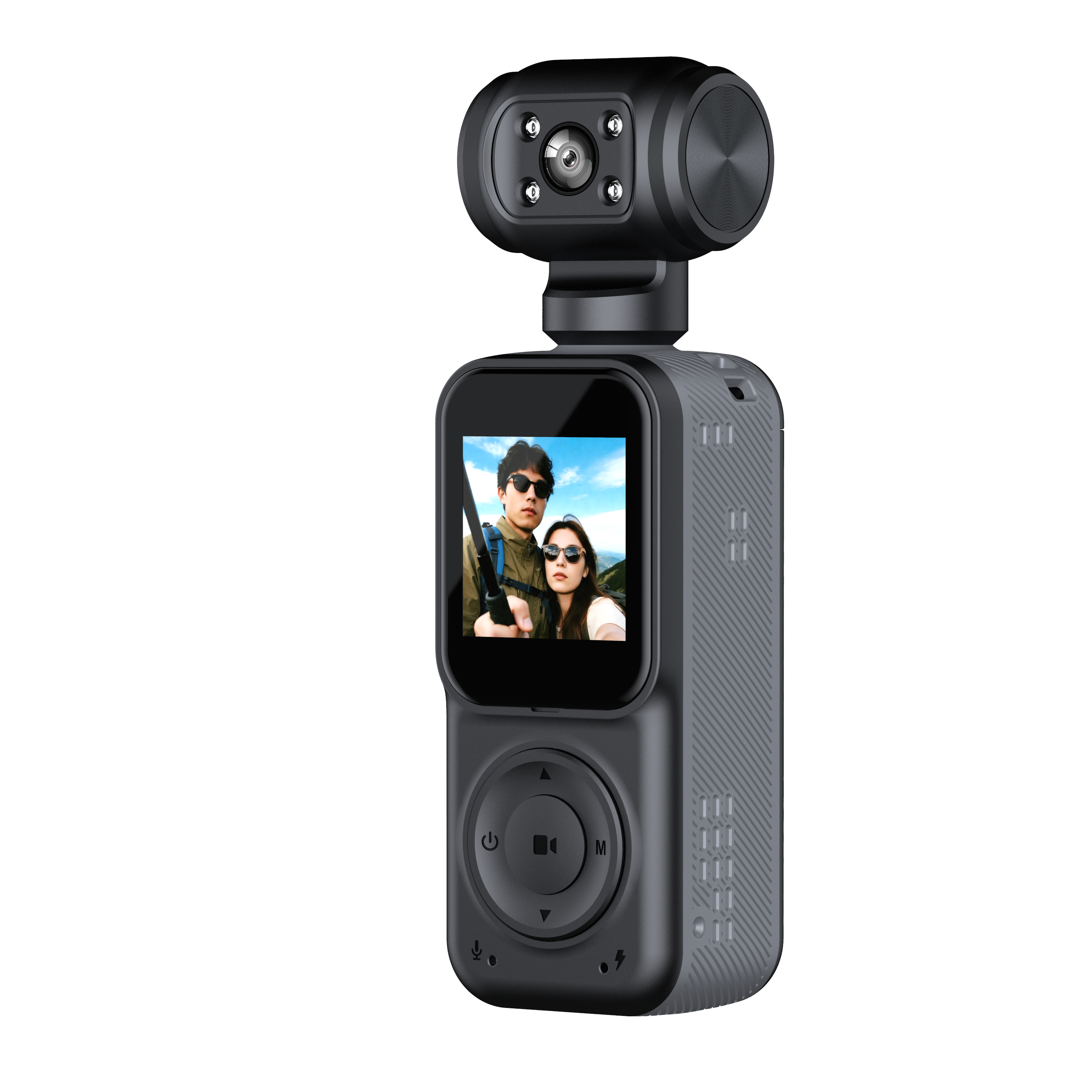
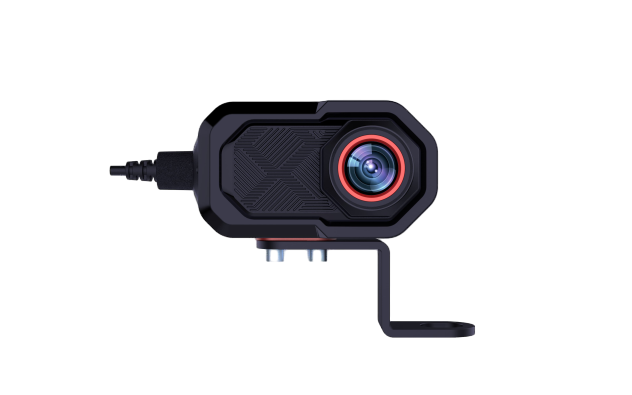


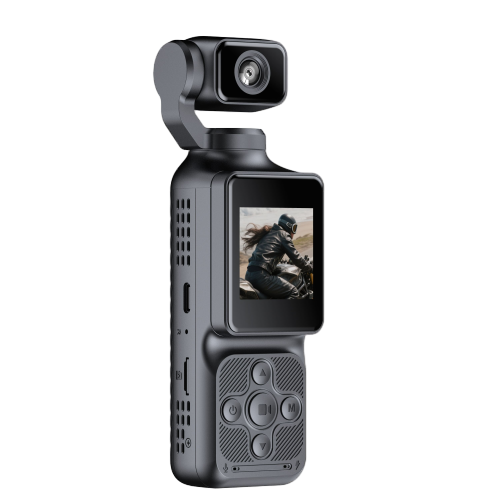


"Do you have CE?" is the most common question in a camera enquiry, and the most commonly misunderstood. CE is not a certificate a factory holds in a drawer. It is a declaration that a specific model meets the directives that apply to it — and the file behind that declaration is what customs, market surveillance and online marketplaces actually ask for.
The same confusion repeats across markets. A supplier sends a test report and calls it a certificate. A brand receives a declaration naming a model number it does not sell. A shipment is held because the radio module was never assessed. None of these are exotic failures; they are the ordinary result of treating compliance as paperwork rather than as a set of requirements attached to a product.
This guide sets out what each of the three main markets actually requires for dash cams, action cameras and video doorbells, what changed for wireless devices in the EU, and how to check whether the documents you have been given would survive a customs query.
CE Is a Declaration, Not a Certificate
For most consumer electronics, the manufacturer assesses the product against the applicable directives, compiles a technical file, signs an EU Declaration of Conformity, and affixes the mark. There is no central authority that issues "a CE certificate" for a dash cam. A Notified Body is involved only where the route requires it — certain radio equipment, and products where no harmonised standard fully covers the risk.
This matters commercially for one reason: the declaration is signed by an economic operator, and that operator carries the responsibility. When a private-label brand places the product on the EU market under its own name, it is treated as the manufacturer for compliance purposes, even though someone else built the device.
A test report proves that a sample was tested. A declaration states that a model complies. Customs and market surveillance ask for the second, and use the first as evidence. A supplier who sends only the report has sent half the file.
Which EU Rules Apply to a Camera
The set of directives is not fixed by the product category. It follows the features of the specific model, which is why two cameras from the same factory can need different files.
Electromagnetic compatibility
Every electronic camera falls under the EMC Directive. This covers both what the device emits and how it behaves when disturbed — relevant in a vehicle, where the device shares a 12 V supply with the alternator, ignition and other electronics.
Radio equipment, if it transmits
Wi-Fi, Bluetooth, cellular and remote-control functions bring the product under the Radio Equipment Directive. A dash cam with Wi-Fi is not simply "an EMC product with a module inside": the radio function has its own requirements, and the antenna design is part of what gets assessed.
Hazardous substances
RoHS applies across the range and is usually the simplest part of the file, but it is also the one most often supplied as a generic statement rather than a report naming the model.
Low voltage — often not applicable
The Low Voltage Directive applies within a defined voltage range, and a camera running from a 5 V USB supply or a 12 V vehicle adapter normally sits below it. Buyers sometimes ask for "LVD certification" on a product that was never in scope. The correct answer is an explanation, not a document.
Batteries
Action cameras and battery-powered doorbells fall under the EU battery rules, which have been introduced in stages. Separately, shipping any lithium battery requires UN38.3 test documentation — a transport requirement rather than a market-access one, but one your forwarder will ask for before the goods move.
The Layer Most Files Are Still Missing
Since 1 August 2025, radio equipment placed on the EU market must also meet cybersecurity requirements added to the Radio Equipment Directive. Three points were added to the essential requirements: protection of the network, protection of personal data and privacy, and protection against fraud.
The harmonised standards that support this are the EN 18031 series, cited in the Official Journal in January 2025. In practice the requirements read like a checklist of things that were optional a few years ago: no shared default password across units, encrypted communication between device, app and cloud, a working secure update mechanism, and a way to report vulnerabilities.
This is the single most important recent change for this product category, because almost every dash cam, action camera and video doorbell sold today connects to a phone. A file dated 2023 will not contain it. If you are offered a CE declaration for a Wi-Fi camera that predates the change and has never been reassessed, the declaration is describing an older set of requirements.
Ask when the wireless model was last assessed, and against which standard version. The date on the report answers more questions than the logo on the box.
The UK: CE Still Works, the Address Must Be British
The UK's position has changed more than once, and much of the advice online is out of date. The current position for Great Britain is that CE marking continues to be recognised for the product regulations covered by the arrangement, with no end date, and UKCA remains an alternative rather than an obligation. The 2024 amendment regulations removed the expiry, and later guidance confirmed the arrangement sector by sector.
That does not mean nothing is required. A non-UK manufacturer placing goods on the GB market needs a UK responsible person established in Great Britain, who can hold the documentation and deal with market surveillance. A CE file without a UK address behind it is incomplete for GB purposes, regardless of how good the test reports are.
Northern Ireland is a separate case. It follows EU rules, so CE applies, with CE + UKNI where a UK body has been involved in assessment. A product carrying only UKCA is not acceptable there. Sellers who print one label for "the UK" and ship to both are the ones who get held at the border.
One caveat is worth passing to your compliance adviser: recognition applies to CE obtained under the rules as they stand. If the EU replaces a directive and a product is assessed only against the new version, GB recognition should be checked rather than assumed.
The US: FCC, and a Number Anyone Can Check
The United States does not recognise CE, and a CE declaration carries no legal weight there. The relevant regime is the FCC's equipment authorisation rules, and it splits along the same line as the product's features.
Unintentional radiators. Any digital device — which includes every camera with a processor — falls under Part 15 Subpart B. The supplier's own testing and declaration procedure applies, supported by a test report from an accredited laboratory.
Intentional radiators. Wi-Fi, Bluetooth and cellular transmitters need certification, which produces an FCC ID. This is the most useful document in the whole file, because it is public: the FCC's equipment database shows the grantee, the model, the frequency ranges and the associated reports. You can verify it yourself in a few minutes without asking the supplier for anything.
State law on connected devices. California's IoT security law, in force since 2020, requires a connected device to have reasonable security features appropriate to its function, and treats a shared default password as insufficient unless the user is forced to set a new one on first use. Several other states have followed with similar requirements. For a Wi-Fi doorbell, this points at the same engineering changes the EU cybersecurity rules demand — one design decision, two markets.
Documents Buyers Ask For Beyond the Mark
Marketplaces, retailers and corporate customers routinely request a longer list than the law strictly requires. Having these ready shortens the gap between approval and purchase order.
REACH and SVHC statements for the materials in the housing, cable and packaging.
WEEE registration details. Collection and recycling responsibility in the EU normally sits with the importer or the brand placing the goods on the market, which means it usually lands on you rather than the factory.
Packaging registration. Germany in particular requires registration before packaged goods are sold, and marketplaces now check for it.
UN38.3 transport reports for any product with a lithium battery, plus the battery capacity declaration used for air freight.
A model list. Not a document in itself, but the item that decides whether the rest of the file is usable: which tested model corresponds to which SKU you are buying.
How to Check a File Before You Rely on It
Five checks catch almost every problem, and none of them requires a compliance specialist.
| Check | What a passing answer looks like |
|---|---|
| Model consistency | the model on the report, the declaration and your purchase order are the same, including suffixes |
| Directive and standard versions | the declaration cites the directives currently in force; the report cites standard versions still recognised |
| Wireless coverage | if the unit has Wi-Fi or Bluetooth, radio testing and the cybersecurity assessment are both present |
| Signatory | the declaration is signed by the party placing the product on the market, with a name, position and date |
| FCC ID, if the US is a target | the ID resolves in the FCC database to the same grantee and model |
A sixth check is worth adding for private-label projects: confirm in writing who signs the declaration for the market you are selling into. The answer decides who is exposed if a regulator or a marketplace asks questions two years from now.
Where Files Usually Break
These are the recurring failures, roughly in order of how often they delay a shipment.
A representative model was tested. One unit from a family is assessed and the report is applied to every variant, including ones with a different camera module or a larger screen. Whether that is defensible depends on how much the variant differs, and it is the first thing a technical reviewer will probe.
The wireless part was skipped. A report covers EMC and safety, and the file stops there, even though the product has Wi-Fi. This is common where the radio module was bought as a pre-certified component and everyone assumed that settled it. A pre-certified module can reduce the work; it does not automatically cover the antenna and housing it is built into.
The declaration was signed by the wrong party. The factory signs, the brand sells under its own name. The name on the declaration should match the party responsible for the product in that market.
The file predates a requirement change. Reports from before the cybersecurity requirements took effect, or against superseded standard versions, are the quiet ones — nothing looks wrong until a marketplace or a customer's compliance team checks the date.
Nothing exists for the market you actually named. A complete EU file and no FCC work at all, for a product destined for the United States, is a planning failure rather than a documentation one. Certification scope has to be decided before tooling, not after.
Why Certification Sits Late in the Project
In a staged development process — briefing, R&D integration, prototype validation, tooling, compliance, launch — compliance follows tooling for a physical reason. The antenna sits inside the housing. Change the plastic, the wall thickness or the internal layout and the radio performance changes with it, which means a radio test run on a prototype shell may not describe the production unit.
The practical consequence for a buyer is about scheduling, not sequence. EMC and safety work can begin on the validated prototype. Radio and cybersecurity assessment should be planned against the final enclosure, and both take weeks rather than days — longer if the first pass needs a hardware or firmware change. A launch date that assumes certification starts after the goods are ready is a date that will move.
The cheapest compliance problem is the one discovered at the specification stage. The most expensive is the one discovered when the container is already booked.
How Yuaoheng Handles Market Access
Compliance is treated as a stage of the project rather than a document produced afterwards. Because the product range spans dash cams, action cameras and video doorbells, the applicable requirements are decided per model and per target market at the briefing stage: which directives apply, whether the wireless function brings additional assessment, and whether the destination is the EU, Great Britain, Northern Ireland or the United States.
The working standard for a project is that the document set — declaration, test reports, model correspondence and the transport documents for battery products — corresponds to the SKU rather than to the product family in general. Where a model has no file for a market you are targeting, that belongs in the schedule as a task with a duration, not as something discovered after the container is booked.
If you are still choosing between a catalogue model and a modified platform, the companion guide on OEM, ODM and white label explains how much of the compliance work moves with each model. If you already have quotations in hand, how a dashcam quotation is calculated shows where certification appears in the price.
Regulatory requirements change. This article describes the position at the time of writing and is not legal advice; confirm the current requirements with your compliance adviser or the relevant authority before shipping.
Need the document list for a specific market?
Tell us the product, the destination market and whether the model has Wi-Fi or cellular. We will confirm which documents apply to that configuration before you commit to a tooling schedule.
Ask for the File, Then Check the Model
Compliance is not a logo on a box. It is a declaration signed by a named party, backed by reports that name a model, covering the directives that apply to that model's features, kept for as long as the product stays on the market.
When someone sends you a file, the first question is not whether it looks official. It is whether the model number on the first page is the model number you are buying, and whether the wireless function you are paying for appears anywhere in it. Those two answers separate a usable file from a folder of PDFs.
.jpg?imageMogr2/format/webp)