.png?imageMogr2/format/webp)
.png?imageMogr2/format/webp)
.png?imageMogr2/format/webp)
.png?imageMogr2/format/webp)
.png?imageMogr2/format/webp)
.png?imageMogr2/format/webp)
.png?imageMogr2/format/webp)
.png?imageMogr2/format/webp)
.png?imageMogr2/format/webp)
.png?imageMogr2/format/webp)
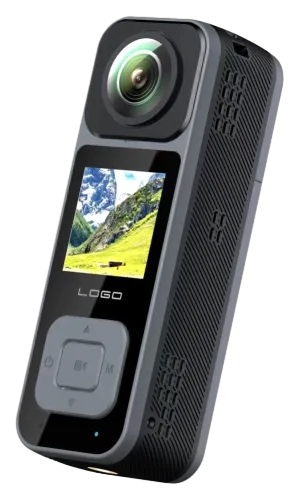
A waterproof action camera is the ultimate tool for capturing adventures in and around water. From scuba diving and surfing to kayaking and swimming, these rugged devices let you record high-quality footage in conditions that would destroy a standard camera. This guide walks you through the features that matter most when choosing a waterproof action camera for outdoor sports.
At Yuaoheng Electronics, we manufacture waterproof action cameras built for demanding outdoor environments. Whether you need a compact model for snorkeling or a professional-grade camera for deep-water diving, our OEM/ODM services can tailor features to your brand. Learn more about our company and our dedication to rugged imaging technology.
What Makes a Waterproof Action Camera Different?
A waterproof action camera is engineered from the ground up to survive water exposure. Unlike standard cameras that need a separate waterproof housing, many modern models feature built-in sealing that resists water, dust, and shock. The internal components are protected by gaskets and seals at every seam, while specialized lens coatings prevent water droplets from distorting your footage. This all-in-one design means you can jump from a boat into the ocean without fumbling with a housing case.
Key Features to Look For
Waterproof Rating and Depth Limit
The depth rating tells you how deep the camera can go without a housing. Many waterproof action cameras are rated for 10 to 40 meters natively, while some reach 60 meters or more with an additional diving case. Match the depth rating to your sport — snorkeling rarely needs more than 10 meters, but scuba diving demands at least 40 meters.
4K Video and Image Stabilization
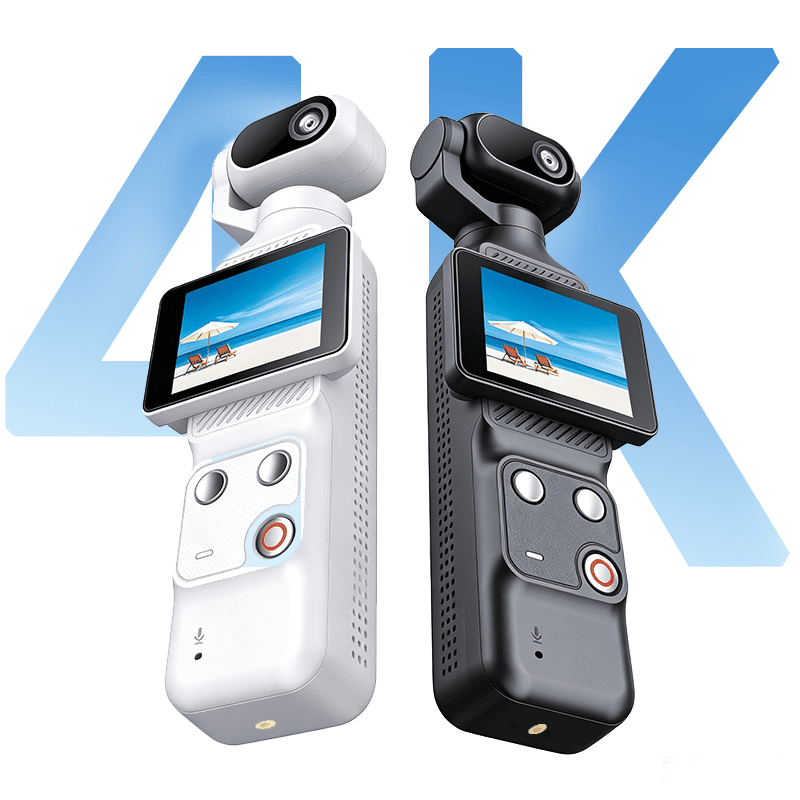
Underwater footage benefits enormously from 4K resolution, which preserves fine details like coral textures and fish scales. Electronic image stabilization is equally important, since water currents and body movement cause constant shake. Look for a camera that offers both — our 4K action camera models deliver crisp, stable footage even in choppy conditions.
Wi-Fi and Remote Control
A waterproof action camera with Wi-Fi lets you preview your shot on a phone or tablet before diving in, and transfer footage afterward without opening the port door. A wireless remote control is just as valuable — it lets you start and stop recording while your hands are wet or gloved, which is essential for surfing and kayaking.
Battery Life in Cold Water
Cold water drains batteries faster than warm air. A good waterproof action camera should deliver at least 90 minutes of continuous recording at depth. Some models support external power banks via a waterproof pass-through, extending your dive time significantly.
Waterproof Ratings Explained
Understanding IP (Ingress Protection) ratings helps you choose a camera that matches your sport. The table below breaks down the most common ratings and their practical depth limits.
| IP Rating | Water Protection | Best For |
|---|---|---|
| IPX4 | Splash resistant | Rain, light spray |
| IPX7 | 1m depth for 30 min | Pool swimming, kayaking |
| IPX8 | Continuous submersion | Snorkeling, surfing, diving |
| 40m+ rated | Deep water with housing | Scuba diving, deep-water filming |
Best Outdoor Sports for a Waterproof Action Camera
- Scuba diving: Capture coral reefs and marine life at depths of 30 meters or more with a deep-water rated camera.
- Surfing: Mount the camera on your board to record every wave from the rider's perspective.
- Kayaking and rafting: Document rapids and river scenery without worrying about splashes or capsizing.
- Snorkeling: Film colorful fish and shallow reefs with a lightweight, easy-to-handle camera.
- Swimming and water parks: Record family fun and training sessions in and around the pool.
Tips for Better Underwater Footage
- Get close to your subject: Water absorbs color and light quickly — reds fade by 5 meters. Shoot within 1 to 2 meters for vibrant footage.
- Use a red filter: A color correction filter restores warm tones lost at depth, keeping your footage natural-looking.
- Shoot in calm conditions: Strong currents stir up sediment and reduce visibility. Pick calm, clear water for the best results.
- Mount it on a floaty grip: A floating handle keeps the camera visible at the surface and stabilizes your shot.
- Rinse after every use: Saltwater corrodes seals over time. Always rinse the camera with fresh water and let it dry completely before opening any port.
Frequently Asked Questions
Can I use a waterproof action camera without a housing?
Yes. Many modern waterproof action cameras are sealed at the factory and can be submerged to their rated depth without any additional housing. However, for depths beyond 40 meters, a dedicated diving case is still recommended to protect the lens and buttons from pressure.
Does waterproofing affect image quality?
Not directly. The sealing protects the internal electronics but does not cover the lens. As long as you keep the lens clean and use a red filter at depth, image quality remains excellent. Explore our action camera lineup for models with high-grade optics.
How long do the waterproof seals last?
With proper care — rinsing after saltwater use and storing in a dry place — the seals on a quality waterproof action camera typically last two to three years. Our cameras are backed by comprehensive warranty support for peace of mind.
Ready to capture your next water adventure with a waterproof action camera? Our team at Yuaoheng Electronics can help you find or customize the perfect model for your sport. We offer full OEM/ODM services and reliable warranty coverage on every product.
Contact us today to discuss your requirements and request a quote.
.jpg?imageMogr2/format/webp)