.png?imageMogr2/format/webp)
.png?imageMogr2/format/webp)
.png?imageMogr2/format/webp)
.png?imageMogr2/format/webp)
.png?imageMogr2/format/webp)
.png?imageMogr2/format/webp)
.png?imageMogr2/format/webp)
.png?imageMogr2/format/webp)
.png?imageMogr2/format/webp)
.png?imageMogr2/format/webp)
Not every camera that labels itself "rugged" can survive a wipeout on the slopes or a drop into the surf. A true action & sports camera is engineered from the ground up for motion, impact, water, and vibration — and the difference between a good one and a bad one shows up the moment conditions get rough. This guide breaks down the features that actually matter, so you can evaluate any model with confidence.
About Yuaoheng Electronics
We design and manufacture a full range of action & sports cameras, from compact 1080p models to 4K flagships with 6-axis stabilization. As an OEM/ODM manufacturer, we build cameras for brands worldwide and test every unit against real-world impact, water, and temperature standards. Explore our company story and our OEM/ODM capabilities to learn more.
What Is an Action & Sports Camera?
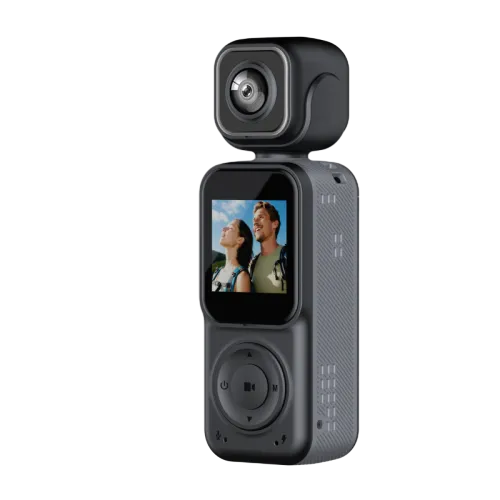
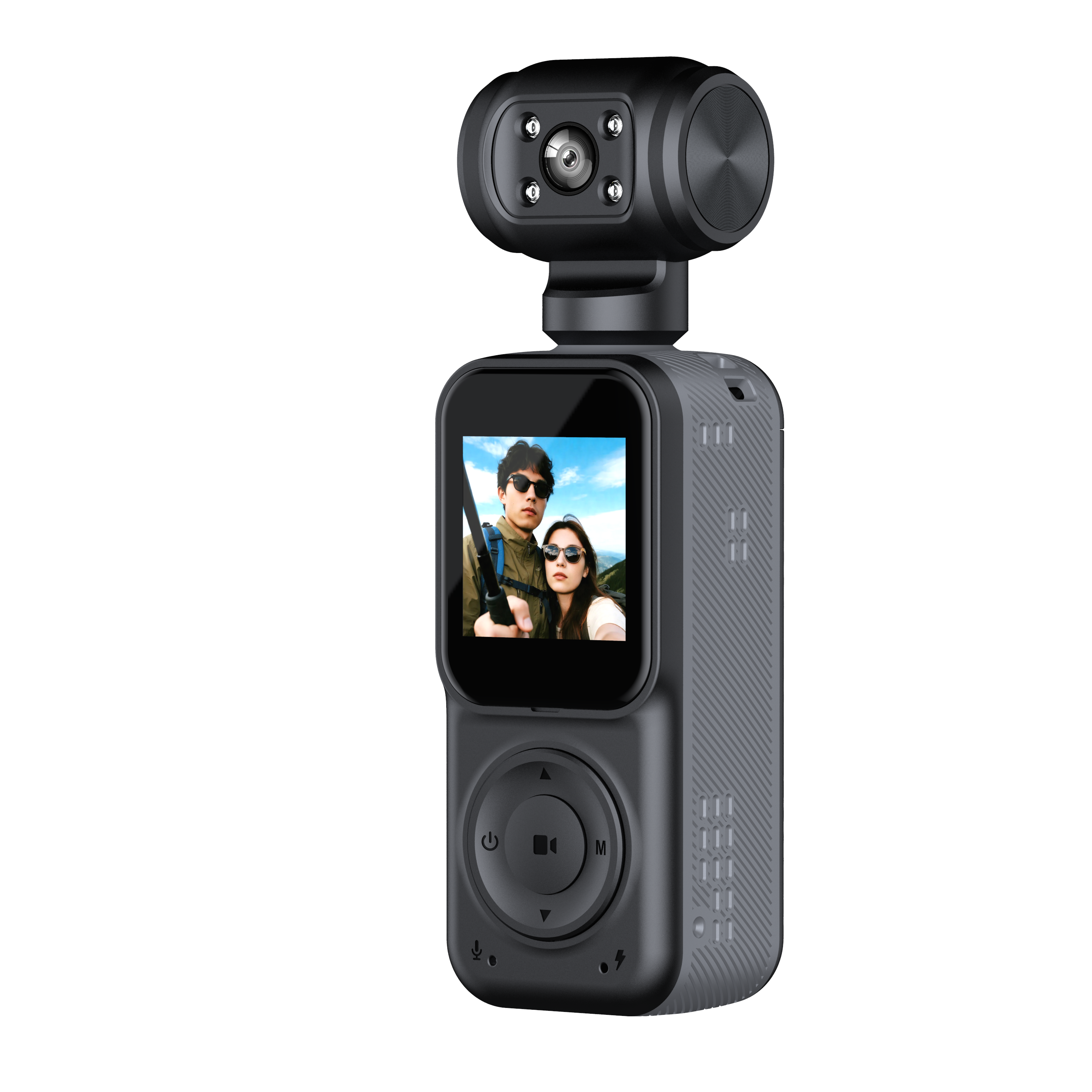
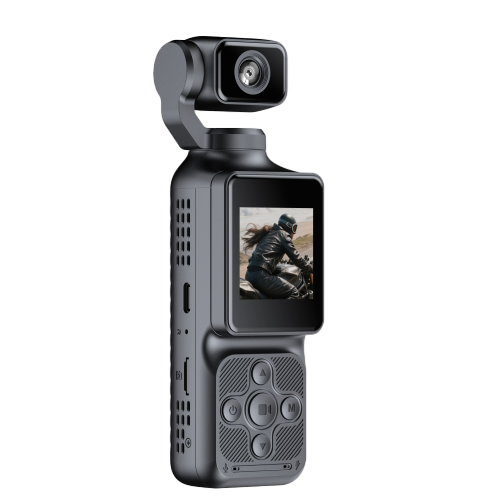
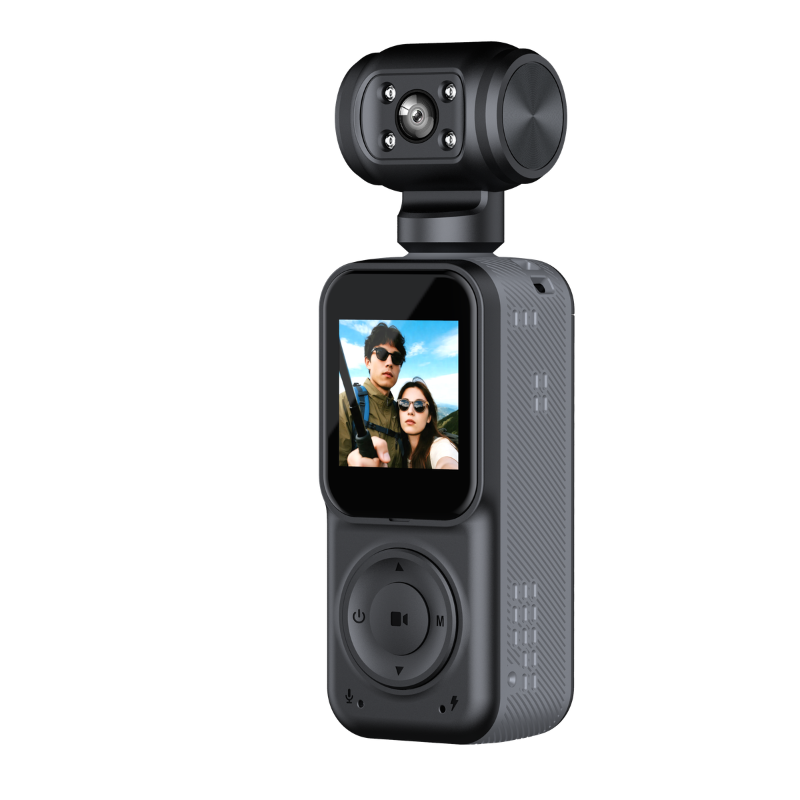
An action & sports camera is a compact, mountable video device built to record fast-moving activity from the participant's point of view. Unlike a phone or a mirrorless camera, it is designed to be strapped to a helmet, handlebar, chest harness, or surfboard and keep recording through impact, spray, and speed. The form factor is small and boxy, the lens is ultra-wide, and every internal component is chosen for durability first.
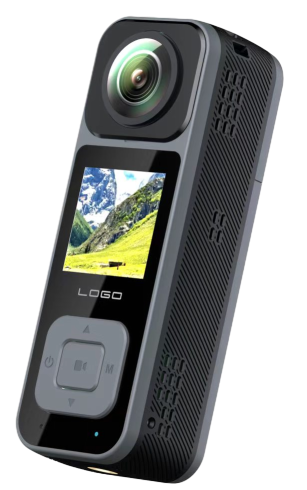
Our X7 4K action camera is a good example of the category: 4K resolution, 6-axis electronic stabilization, and a waterproof housing rated to 30 meters — all in a body that mounts to almost anything.
Key Features That Define a Good Action & Sports Camera
4K Video and Honest Frame Rates
Resolution matters, but honest frame rates matter more. A good action & sports camera records true 4K at 30fps and 1080p at 60fps or higher, so fast motion stays smooth instead of turning into a jittery smear. Interpolated frame rates — where software doubles frames to hit a marketing number — are a sign of a weak sensor pipeline. Check independent footage samples before buying.
Electronic Image Stabilization (EIS)
Stabilization is the single biggest differentiator in this category. Gyro-based EIS, like the 6-axis system in our X-series, counters shake across rotation and translation, producing footage that looks like it was shot on a gimbal. Without effective EIS, handlebar and helmet footage is unwatchable, no matter how sharp the sensor is.
Waterproofing and Rugged Build
Look for a camera that is waterproof either natively or with a supplied housing. A 30-meter housing rating covers diving, surfing, and white-water paddling. The body should also shrug off dust, sand, and impacts — a camera that needs a fragile case to survive a mountain bike trail is not a true sports camera.
Battery Life in Real Conditions
Cold weather and high resolution both drain batteries fast. A good action & sports camera delivers at least 90 minutes of 4K recording at moderate temperatures, and ideally supports recording while charging from a power bank for all-day sessions. Swappable batteries are a strong plus for multi-day trips.
Mounting System and Field of View
The mount ecosystem determines where the camera can go. A 170° ultra-wide field of view captures the whole scene without aiming — essential when your hands are occupied. Check that helmet, chest, handlebar, and suction mounts are included or affordable, and that the mounting fingers are metal rather than brittle plastic.
Feature Checklist at a Glance
The table below summarizes what to demand from any action & sports camera before you spend money on it.
| Feature | What Good Looks Like | Why It Matters |
|---|---|---|
| Video quality | True 4K/30fps, 1080p/60fps minimum | Smooth, detailed footage of fast motion |
| Stabilization | 6-axis gyro-based EIS | Watchable footage from moving mounts |
| Waterproofing | Native or 30m-rated housing | Survives surf, rain, and diving |
| Battery | 90+ min 4K, swappable, charge while recording | Covers a full session without stopping |
| Field of view | 170° ultra-wide with distortion correction | Captures the scene without aiming |
| Mounting | Standard fingers, metal hardware, full accessory range | Flexible placement on any gear |
| Connectivity | Wi-Fi app control, quick file transfer | Framing and sharing in the field |
Matching the Camera to Your Sport
Every sport punishes a camera differently. Before choosing, think about where the camera will be mounted and what it will be exposed to:
• Cycling and motorcycling — handlebar or helmet mount, strong wind-noise resistance, long battery for touring.
• Diving and snorkeling — 30m-rated housing, good low-light response underwater, red-filter thread for color correction.
• Skiing and snowboarding — cold-weather battery performance, glove-friendly controls, anti-fog inserts for the housing.
• Surfing and paddle sports — saltwater-safe sealing, secure leash attachment, wide FOV for wave footage.
• Hiking and travel — lightweight body, quick pocket draw, Wi-Fi transfer for on-the-go editing.
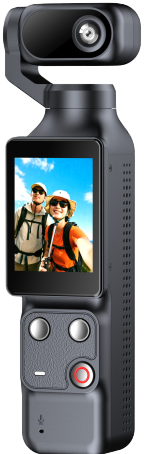
Our full product range covers all of these scenarios, from the compact Q3 for everyday adventures to the X20 with its front-facing screen for creators who film themselves in action.
How to Choose: A Practical Checklist
When you compare models, run through this list in order. If a camera fails the first two items, nothing else matters.
Before You Buy, Confirm:
1. True 4K recording — verify with sample footage, not spec sheets.
2. 6-axis electronic stabilization tested on a moving mount.
3. Waterproof rating matched to your actual sport (30m for diving).
4. At least 90 minutes of recording at your target resolution.
5. Mounts available for every position you plan to use.
6. Replacement batteries and accessories are easy to source.
7. Warranty terms and firmware support — see our warranty policy for what responsible coverage looks like.
Frequently Asked Questions
Is 4K necessary, or is 1080p enough for sports?
1080p at 60fps is still perfectly watchable for social media, and it saves battery and storage. 4K becomes important when you want to crop into the frame during editing — cropping a 4K shot to 1080p effectively gives you a zoom without losing sharpness. If you can only choose one upgrade, prioritize frame rate and stabilization over resolution.
Can one action & sports camera really work for every sport?
Yes, if the mount ecosystem supports it. A camera with a 30m housing, strong EIS, and standard mounting fingers handles diving, cycling, skiing, and hiking equally well. What varies is convenience: dedicated divers want better low-light sensors, while motorcyclists prioritize wind-noise handling. Choose the camera that covers your two most demanding sports.
What is the difference between native waterproofing and a housing?
Native waterproofing (typically to 10m) means the camera itself is sealed — great for surfing, rain, and pool use. A housing extends the rating to 30 meters for diving but adds a layer that slightly softens audio. The best cameras, like ours, ship with both options so you can travel light or go deep.
Conclusion
A good action & sports camera is defined by honest specs, effective stabilization, genuine waterproofing, real battery life, and a mount for every situation — in that order. Screen size and app gimmicks come last. If you are evaluating options, start with our complete action camera lineup or contact our team for a recommendation matched to your sport.
.jpg?imageMogr2/format/webp)